
Inclusive Personal Training in Sydney: What I Learned From the Bodyfit Accessibility Workshop
Personal training isn't simply about writing workouts.
A good coach needs to understand the person in front of them—their goals, abilities, confidence, environment and the support they may need to participate in exercise.
In October 2025, I attended a professional development workshop at Bodyfit Glebe focused on working with clients with disability, delivered by Tommy Trout from WeFlex and Inclusive-AF.
Nearly a year later, some of the lessons from that workshop are still relevant to the way I think about coaching.
And Sydney really is a small world: I later realised Tommy's partner had attended one of my group fitness classes. Apparently the fitness industry has fewer degrees of separation than a burpee has excuses.
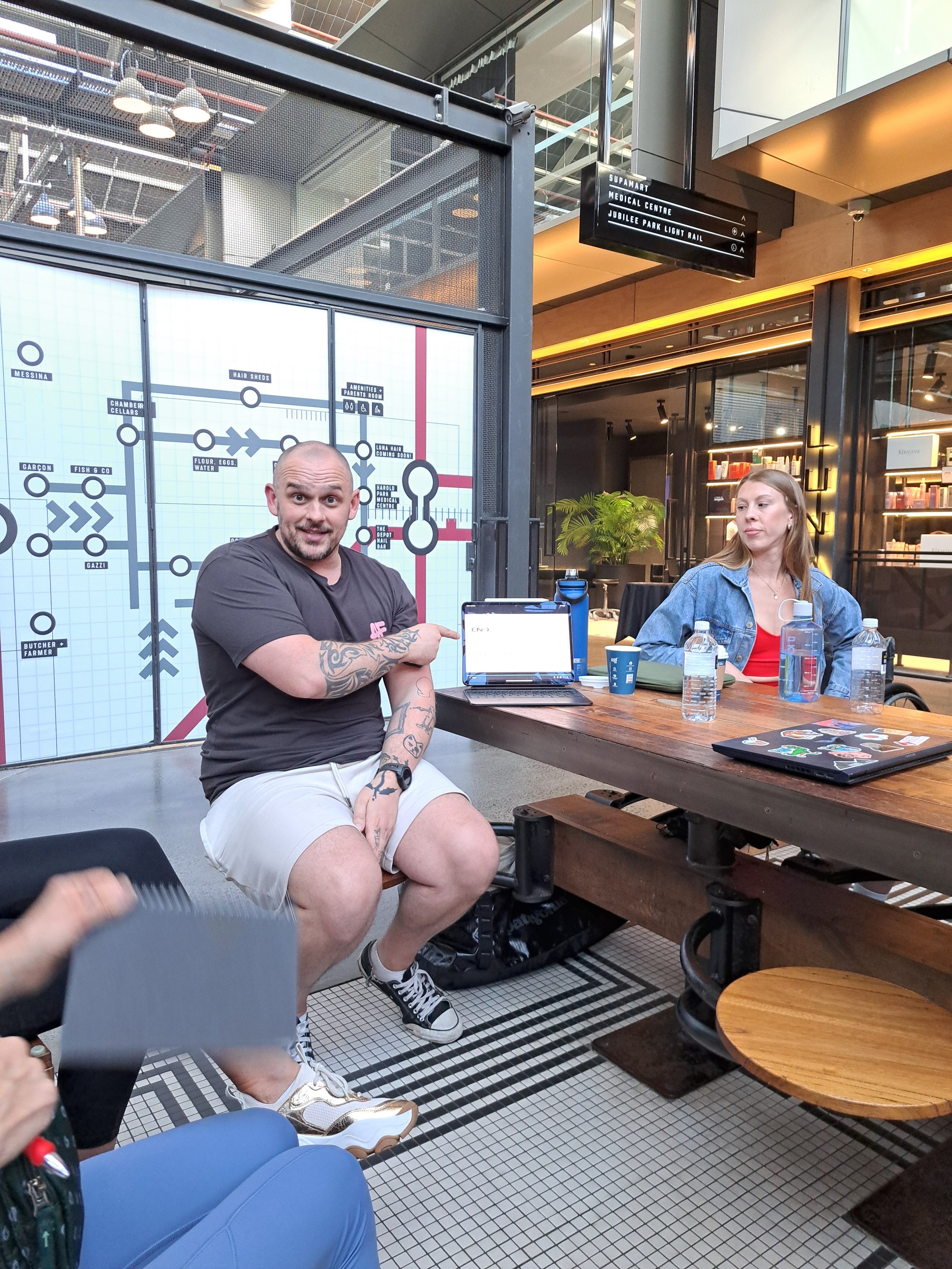
Professional development workshop on working with clients with disability, Bodyfit Glebe.
Accessibility Is More Than Physical Access
One of the important themes from the workshop was that accessibility isn't simply about whether a gym has a ramp.
A person can physically enter a fitness facility and still encounter barriers to participating comfortably and confidently.
Communication, exercise selection, equipment setup, instructions, class structure and the assumptions we make as trainers can all influence someone's experience.
That reinforced something I believe strongly as a coach: the exercise should be adapted to the person—not the person forced to fit the exercise.
Look at the Individual, Not Just the Label
The workshop also explored screening and identifying individual support requirements.
Two people with the same disability may have completely different abilities, experiences, preferences and goals.
For a trainer, that means asking questions, observing movement, listening to the client and understanding what support is actually required rather than making assumptions.
This principle isn't limited to disability.
It's something I apply across personal training—whether I'm coaching someone new to exercise, someone rebuilding confidence, an older adult or someone who simply needs exercises adapted to their current ability.
Inclusive Group Fitness Requires Better Coaching
This was particularly relevant to me because I teach group fitness as well as one-to-one personal training.
In a class, everyone receives the same general workout—but that doesn't mean everyone needs to perform it in exactly the same way.
Good coaching means being able to offer regressions, progressions and alternative movements while still allowing someone to feel like part of the class.
The goal isn't to draw attention to what somebody can't do.
It's to find a version that allows them to participate successfully.
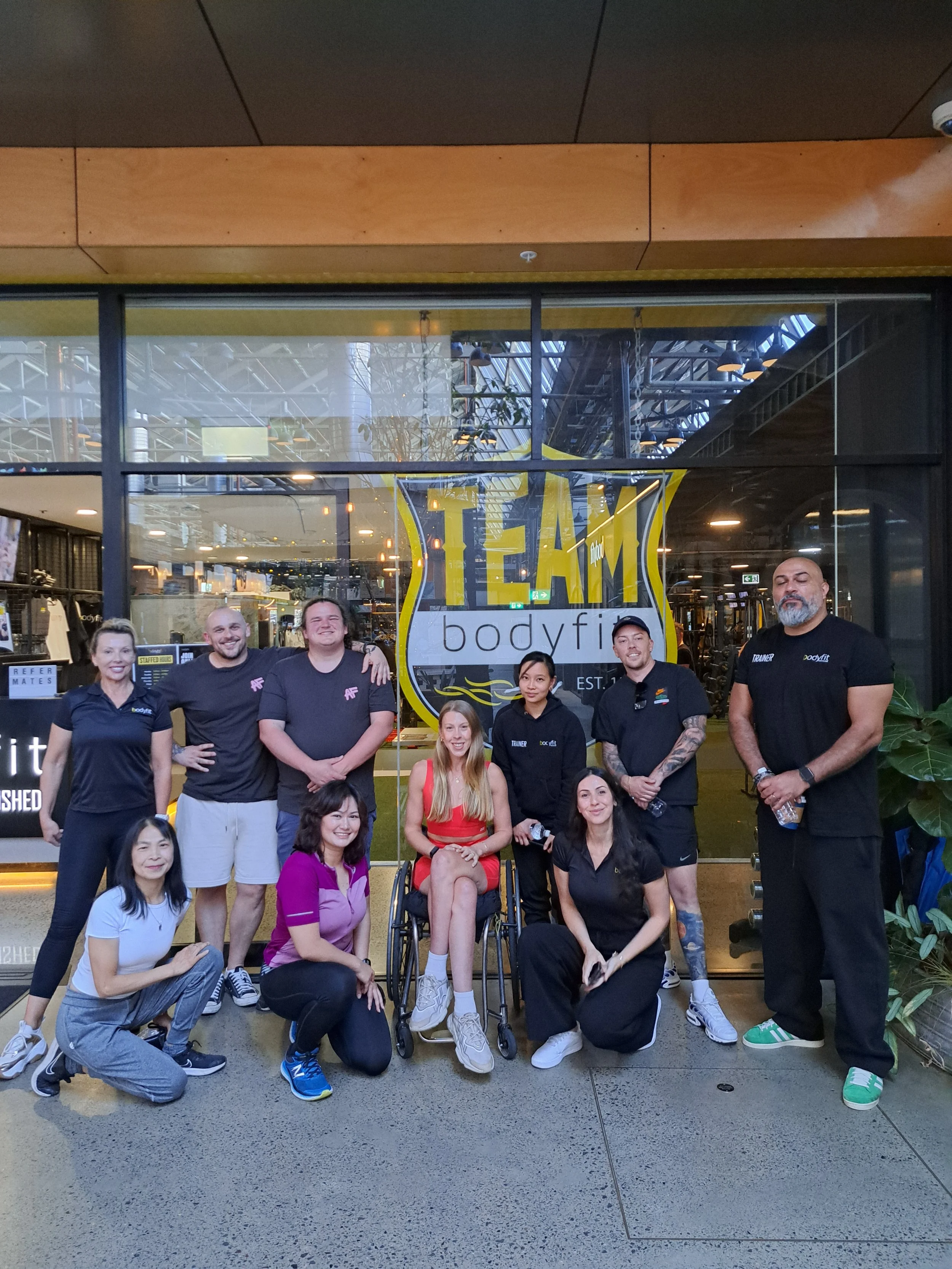
Continuing to learn alongside other fitness professionals as part of Bodyfit's Accessibility Project.
What Inclusive Coaching Can Look Like
Inclusive training doesn't necessarily require completely different workouts.
Sometimes small adjustments make the biggest difference: changing the range of motion, providing seated or supported variations, modifying equipment, allowing additional transition time, simplifying instructions or changing the way an exercise is cued.
Most importantly, it requires communication.
Instead of automatically deciding what somebody can or cannot do, a trainer can ask:
"What would help make this exercise work better for you?"
That simple question can change the coaching relationship.
Continuing to Learn as a Personal Trainer
Qualifications give trainers a foundation, but I don't think learning should stop when the certificate arrives.
Workshops like this remind me that becoming a better personal trainer isn't always about discovering another exercise.
Sometimes it's about learning how to coach the exercises we already know more effectively, more thoughtfully and for more people.
Almost a year after attending this workshop, that's probably the lesson that has stayed with me most.
Fitness should not feel like a space reserved for people who already know how to navigate a gym.
It should be somewhere people can build strength, independence and confidence from wherever they're starting.
Looking for Personal Training in Sydney?
I provide personalised personal training with exercise options adapted to the individual's goals, experience and current ability.
Whether you're starting exercise for the first time, returning after time away, building strength or simply looking for more individual guidance, we can start with an initial consultation and determine the most appropriate approach for you.