
Personal Trainer vs Online Coaching: Which Is Right for You?

Choosing between in-person personal training and online coaching can feel confusing, especially when both promise structure, accountability, and better results.
The truth is that neither option is automatically better.
The right choice depends on your experience, lifestyle, confidence, budget, schedule, and the amount of support you need to stay consistent.
Some people thrive with a trainer beside them. Others prefer the flexibility of following a structured program independently. Many benefit from a combination of both.
Here is how to decide which approach may suit you best.
What Is In-Person Personal Training?
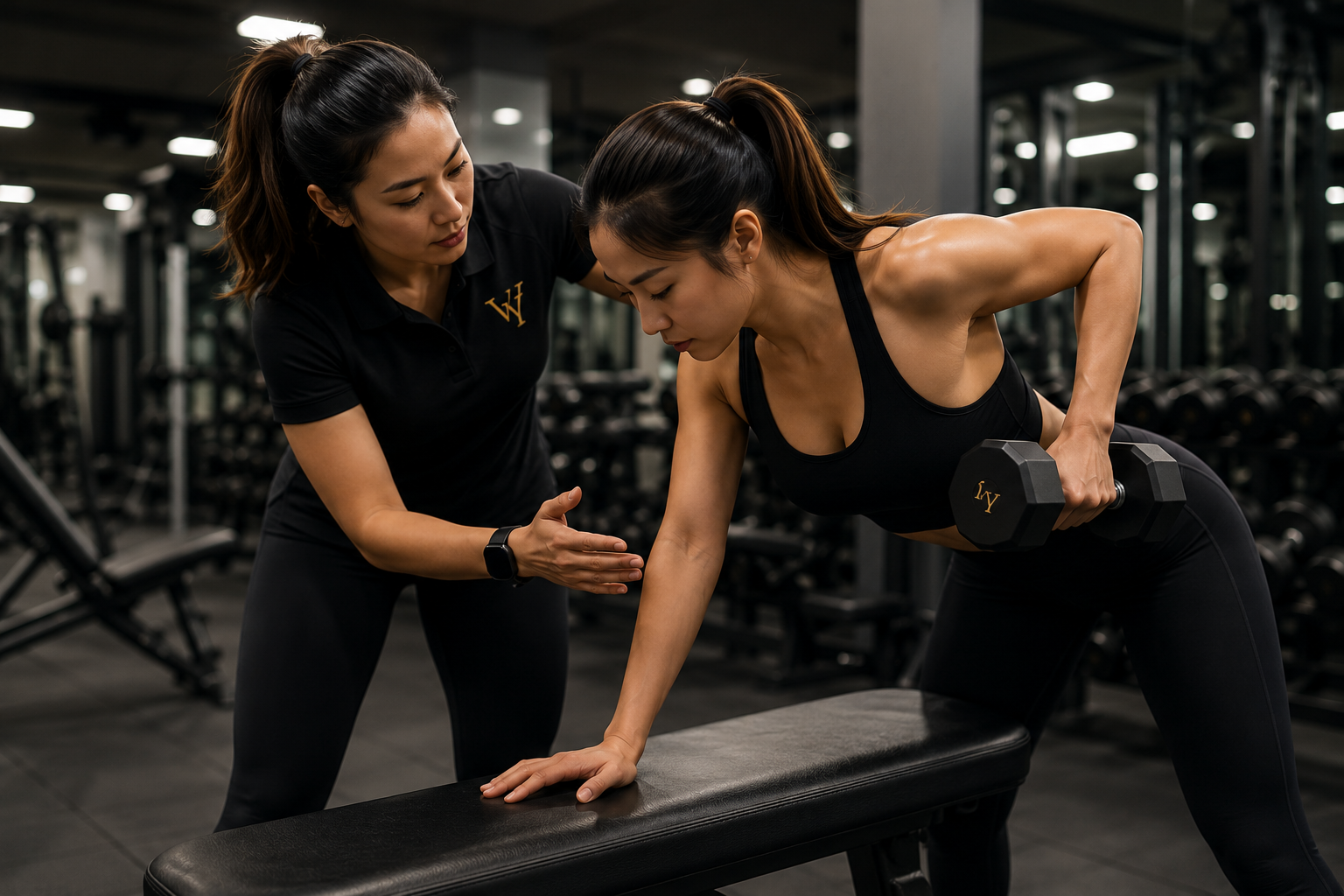
In-person personal training means working directly with a trainer during scheduled sessions at a gym, studio, or another suitable training location.
Your trainer can observe how you move, adjust your technique in real time, select appropriate exercises, and adapt the session based on how you are feeling that day.
This makes personal training especially valuable for beginners, people returning to exercise, or anyone who feels uncertain about training alone.
In-person personal training may suit you if:
You are new to strength training.
You feel intimidated or unsure in the gym.
You want immediate feedback on your technique.
You need scheduled appointments to stay accountable.
You have movement limitations or previous injuries that require careful exercise selection.
You enjoy direct encouragement and face-to-face support.
You want your program adjusted during the session.
The greatest advantage of personal training is the trainer’s ability to see what is happening in front of them.
Small changes to your posture, breathing, foot position, range of motion, or exercise setup can make a significant difference to how safely and effectively you train.
What Is Online Coaching?
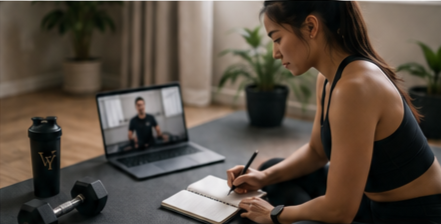
Online coaching gives you a structured training plan that you complete independently, usually with support through an app, messaging platform, video check-ins, or regular progress reviews.
Depending on the coaching service, your program may include workouts, habit goals, nutrition guidance, progress tracking, exercise demonstrations, and ongoing communication with your coach.
Unlike downloading a generic program, quality online coaching should still be personalised to your goals, experience, equipment, schedule, and progress.
Online coaching may suit you if:
You already feel reasonably confident exercising independently.
You need flexibility around work, family, or travel.
You prefer training at your own gym or at home.
You want professional structure without attending fixed appointments.
You are comfortable following exercise demonstrations.
You can stay motivated between check-ins.
You want ongoing coaching at a lower cost than frequent personal training.
The biggest advantage of online coaching is flexibility.
You are not limited to one gym, one suburb, or a narrow appointment window. You can often train when and where it suits you while still following a professionally designed plan.
The Main Differences
Technique support
With a personal trainer, feedback happens immediately.
Your trainer can see whether your knees are collapsing during a squat, whether you are rushing a movement, or whether an exercise does not suit your body.
With online coaching, technique feedback may happen through recorded videos or scheduled check-ins. This can still be effective, but it is not always immediate.
If you are a complete beginner or have significant concerns about your technique, in-person support may be the better starting point.
Accountability
Personal training creates strong appointment-based accountability. Someone is expecting you to arrive, and the session is already booked into your calendar.
Online coaching offers a different form of accountability. Your coach may review your completed sessions, habits, measurements, steps, or weekly check-ins.
The important question is:
Do you need someone physically waiting for you, or are regular check-ins enough to keep you moving?
Flexibility
Online coaching usually offers more flexibility.
You can train around changing shifts, childcare, travel, or other responsibilities. This can make it easier to maintain your routine over the long term.
Personal training requires you and your trainer to be available at the same time. That structure can be helpful, but it may be less convenient for people with unpredictable schedules.
Cost
In-person personal training generally costs more because you are paying for the trainer’s dedicated time, immediate supervision, preparation, and use of a training space.
Online coaching is often more affordable because you complete the sessions independently while receiving ongoing programming and support.
The cheapest option is not always the best value, though.
A low-cost program that you do not follow will not help you. A more expensive service may be worthwhile if the additional support keeps you consistent and reduces your risk of giving up.
Independence
Online coaching requires more personal responsibility.
You need to attend the gym, follow the program, manage your rest periods, and communicate honestly with your coach.
Personal training provides more direct guidance. Your trainer manages the flow of the session and helps you work through moments when you may otherwise stop early.
If your long-term goal is to become confident training independently, either option can help—but the journey may look different.
Which Option Is Better for Beginners?
Many beginners benefit from starting with in-person personal training.
Learning basic movement patterns, understanding gym equipment, developing safe technique, and building confidence can be much easier with someone beside you.
Once you feel more comfortable, you may transition into online coaching or a hybrid model.
However, online coaching can still work for beginners when the program is simple, the exercise demonstrations are clear, and the coach provides regular feedback.
The quality of support matters more than the label.
Which Option Is Better for Fat Loss?
Both personal training and online coaching can support fat loss.
Your results will depend less on where the coaching happens and more on whether the plan helps you consistently manage:
Strength training
Daily movement
Nutrition habits
Sleep
Stress
Recovery
Long-term adherence
Personal training may help someone who struggles to exercise consistently or lacks confidence in the gym.
Online coaching may suit someone who already trains but needs a clearer program, stronger habits, and ongoing accountability.
Fat loss rarely comes from a single workout. It comes from repeatedly following a realistic plan.
Which Option Is Better for Building Strength?
Both can work well.
In-person coaching offers immediate technique correction and can help you safely progress weights during the session.
Online coaching can also be effective when you already understand the major exercises and can provide your coach with training videos, feedback, and performance data.
Someone learning barbell lifts for the first time may benefit from direct supervision. Someone experienced with strength training may only need a carefully programmed plan and regular review.
Could a Hybrid Approach Be Better?

For many people, the strongest option is a combination of in-person and online coaching.
A hybrid structure may include:
One personal training session each week or fortnight.
Additional independent workouts delivered through an app.
Regular habit and progress tracking.
Messaging support between sessions.
Technique reviews using recorded videos.
Adjustments based on your progress and schedule.
This approach offers the personal guidance of face-to-face training while helping you develop independence.
It can also make coaching more practical and affordable than relying entirely on multiple personal training sessions each week.
Questions to Ask Yourself
Before choosing, consider the following:
How confident am I in the gym?
If you do not know where to begin or feel anxious training alone, start with personal training.
Do I need fixed appointments?
If you often delay workouts unless someone is waiting for you, in-person sessions may provide stronger accountability.
Is my schedule predictable?
A changing schedule may make online coaching easier to maintain.
Can I follow a plan independently?
Be honest. Some people enjoy self-directed training, while others lose focus without direct supervision.
Do I have injuries, pain, or movement concerns?
You may benefit from closer in-person observation. A trainer should also refer you to an appropriate health professional when an issue falls outside their scope.
What level of support can I realistically afford?
Choose the option you can sustain—not simply the one you can pay for briefly.
Red Flags to Avoid
Whether you choose a personal trainer or online coach, be cautious if they:
Promise unrealistic results.
Use the same program for every client.
Ignore pain or medical concerns.
Pressure you into extreme diets.
Provide no explanation for their recommendations.
Focus only on exhausting you.
Never review your progress.
Make you feel embarrassed for struggling.
Cannot clearly explain their qualifications or coaching process.
Good coaching should challenge you without making you feel punished.
You should understand what you are doing, why you are doing it, and how it supports your goal.
Final Thoughts
Choose personal training when you need direct guidance, real-time technique feedback, strong appointment-based accountability, and greater confidence in the gym.
Choose online coaching when you value flexibility, can train independently, and want professional structure with ongoing support.
Consider hybrid coaching when you want the benefits of both.
The right option is not the one that looks most impressive. It is the one you can follow consistently, safely, and realistically.
Your training should fit into your life—not require your entire life to revolve around it.

Ready to Find the Right Support?
At Vera Yazid, coaching is designed around the individual rather than forcing everyone into the same model.
Depending on your goals and experience, support may include in-person personal training, structured online programming, ongoing accountability, or a combination of both.
The best place to begin is with an honest conversation about where you are now, what has held you back, and what level of support will help you move forward.